


Akkermansia: The New Hot Gut Health Supplement — But Does It Actually Work?
Akkermansia muciniphila is one of the newest “hot” gut health supplements, promoted for metabolism, inflammation, gut barrier support, and bloating. Early research is promising, especially for metabolic health, but human evidence remains limited — and it is not yet a valid treatment for chronic bloating.

Bluetooth Earbuds, EMF, and Health: Should You Be Concerned?
Bluetooth earbuds produce very low levels of non-ionizing electromagnetic exposure, and current evidence does not show a clear cancer risk. The bigger health concerns are hearing loss from loud volume, prolonged use, ear irritation, wax buildup, and proper ear hygiene.
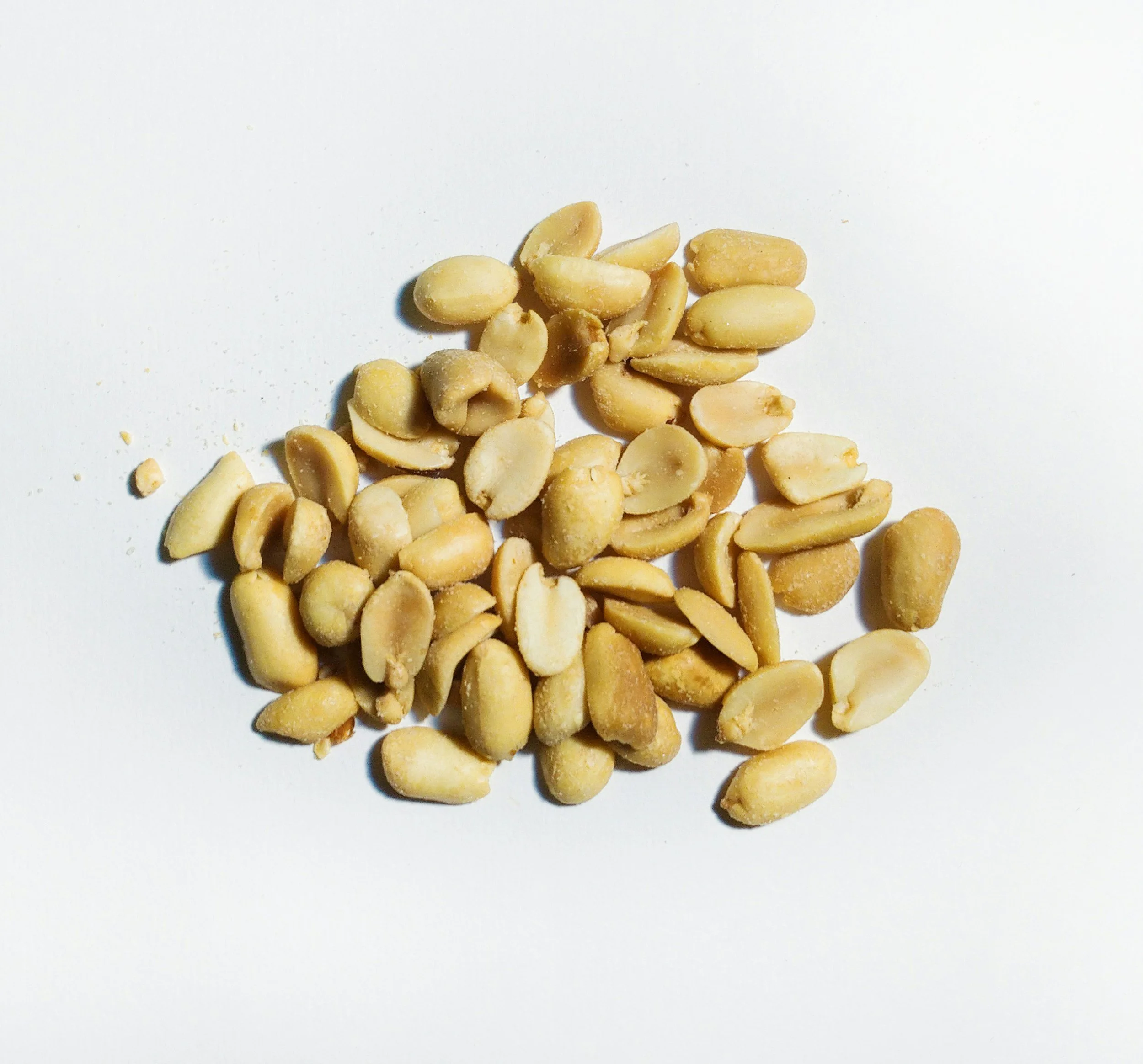
Mycotoxins: What They Are, How They Affect Health, and How to Reduce Exposure
Mycotoxins are toxic compounds produced by certain molds that can contaminate foods like grains, nuts, coffee, dried fruit, and spices. Learn how they may affect health, why testing is complicated, and the practical steps you can take to reduce exposure without unnecessary fear.

What’s the Beef With Red Meat?
Red meat remains one of the most debated foods in longevity nutrition. Processed meat is consistently linked to higher chronic disease risk, while unprocessed red meat is more nuanced. Here’s how to think about red meat, protein quality, food processing, and long-term health.

Tobacco and Vaping in 2026: What the Latest Research Shows
Cigarette smoking rates continue to decline, but vaping and other nicotine products are becoming increasingly common. While e-cigarettes may be less harmful than traditional cigarettes, emerging research shows they are far from harmless. Learn what the latest evidence reveals about smoking, vaping, secondhand smoke, and long-term health risks.

Parabens: What They Are, Where They're Found, and Should You Avoid Them?
Parabens are preservatives commonly found in cosmetics, personal care products, medications, and some foods. While research suggests they can act as weak endocrine disruptors, the real-world health risks remain debated. Learn what parabens are, where they're found, and whether avoiding them is worth the effort.

Hyperbaric Oxygen Therapy: Who Benefits
Hyperbaric oxygen therapy dramatically increases oxygen delivery to tissues and has proven benefits for conditions such as carbon monoxide poisoning, radiation injury, and difficult-to-heal wounds. But does it improve longevity, cognition, or healthy aging in otherwise healthy adults? Here's what the current evidence actually shows.
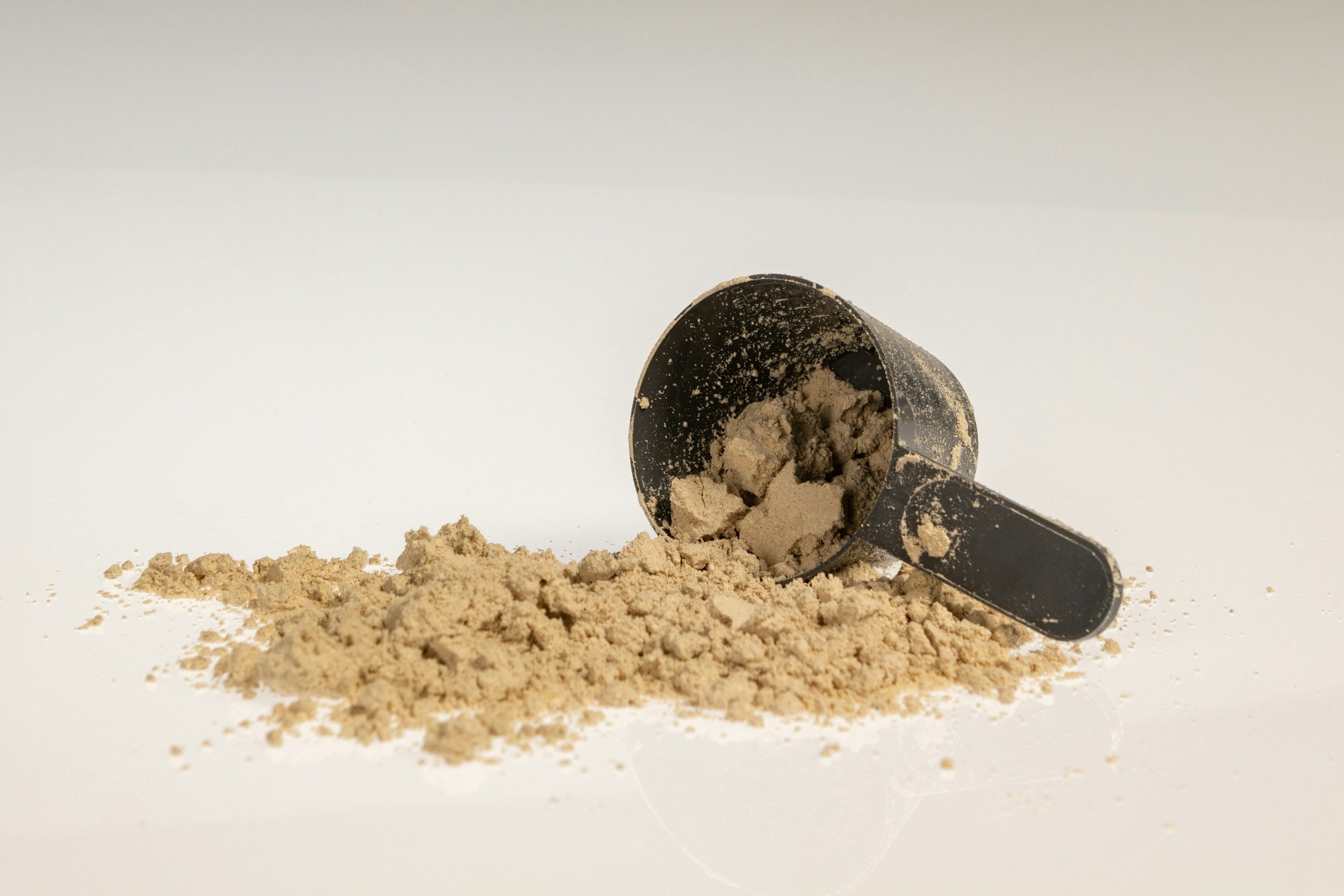
Whey Protein: One of the Most Effective Supplements for Muscle, Metabolic Health, and Healthy Aging
Whey protein is one of the most studied nutritional supplements available. Research suggests it may support muscle growth, exercise recovery, weight management, cardiometabolic health, healthy aging, and even gut microbiome diversity. Learn how whey protein works and who may benefit most from supplementation.
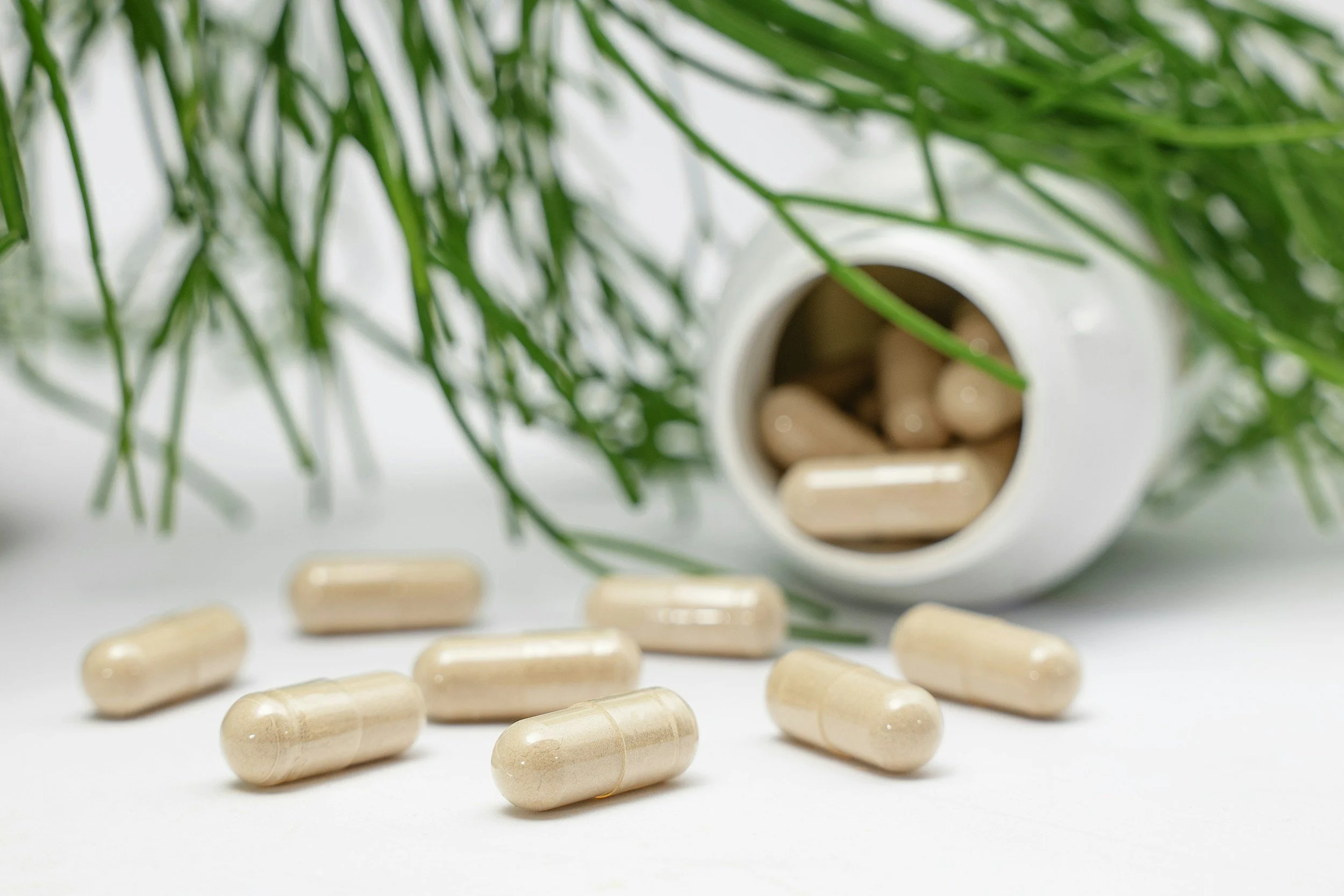
Magnesium Supplementation: Understanding the Different Types of Magnesium
Not all magnesium supplements are the same. Learn the differences between magnesium glycinate, citrate, oxide, L-threonate, and other formulations—including their absorption, side effects, and potential benefits.

Grounding: Is There Real Science Behind It?
Grounding, or “earthing,” has gained popularity for claims involving inflammation, sleep, and chronic disease. Here’s what the current evidence actually shows.

Mineral vs Chemical Sunscreens: Why I Personally Use Mineral Sunscreens
Chemical sunscreen ingredients such as oxybenzone and octocrylene are absorbed into the bloodstream and have raised questions about endocrine and long-term safety. Here’s why I personally choose mineral sunscreens instead.
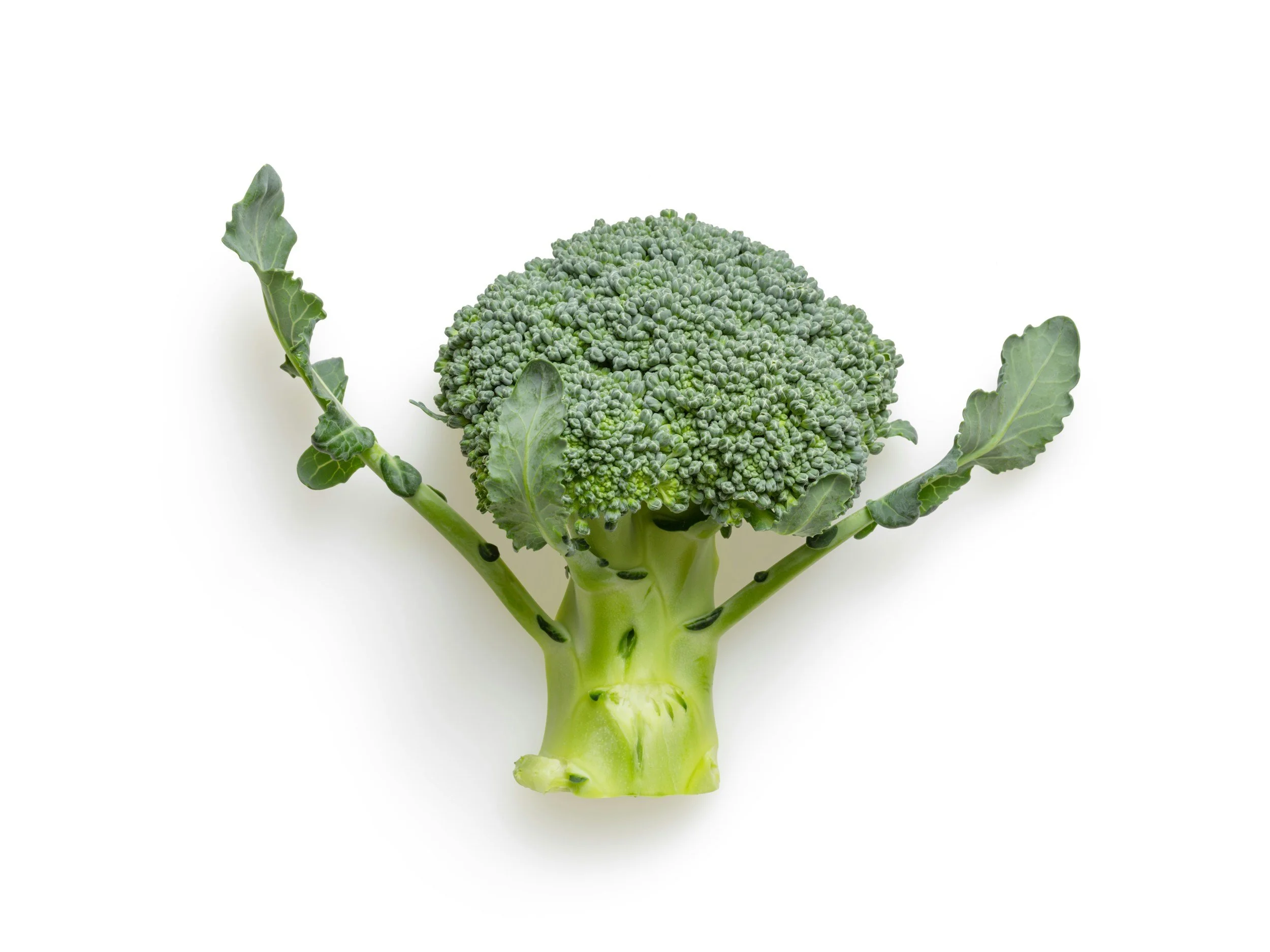
Sulforaphane: One of the Most Promising Compounds Found in Cruciferous Vegetables
Sulforaphane, a compound found in broccoli sprouts and other cruciferous vegetables, may support antioxidant defenses, metabolic health, and cancer prevention through activation of the Nrf2 pathway. Here’s what the research shows.

Reverse Osmosis Water Filters: Benefits, Risks, and What to Know
Reverse osmosis (RO) systems are highly effective at removing contaminants like PFAS, heavy metals, and microorganisms, but they also remove beneficial minerals and fluoride. Here’s what the evidence says about the benefits and potential downsides.

Radiation Exposure in Everyday Life: What Actually Matters?
Radiation exposure from sunlight, medical imaging, and radon is part of everyday life. Learn the health risks, how exposure accumulates over time, and practical ways to reduce unnecessary risk.

Lipoprotein(a) and ApoB: Two Important Markers of Cardiovascular Risk
Lipoprotein(a) [Lp(a)] and ApoB are two important cardiovascular risk markers that can reveal hidden risk beyond standard cholesterol testing. Here’s what they mean and why they matter.

Are Seed Oils Bad for You? What the Evidence Actually Shows
Seed oils are often labeled as harmful, but research shows they can improve cardiovascular health when replacing saturated fats. Here’s what the evidence actually says.

Sauna Use: Does It Actually Improve Your Health?
Regular sauna use is linked to lower cardiovascular risk, reduced mortality, and improved brain health. Here’s what the evidence shows—and its limitations.
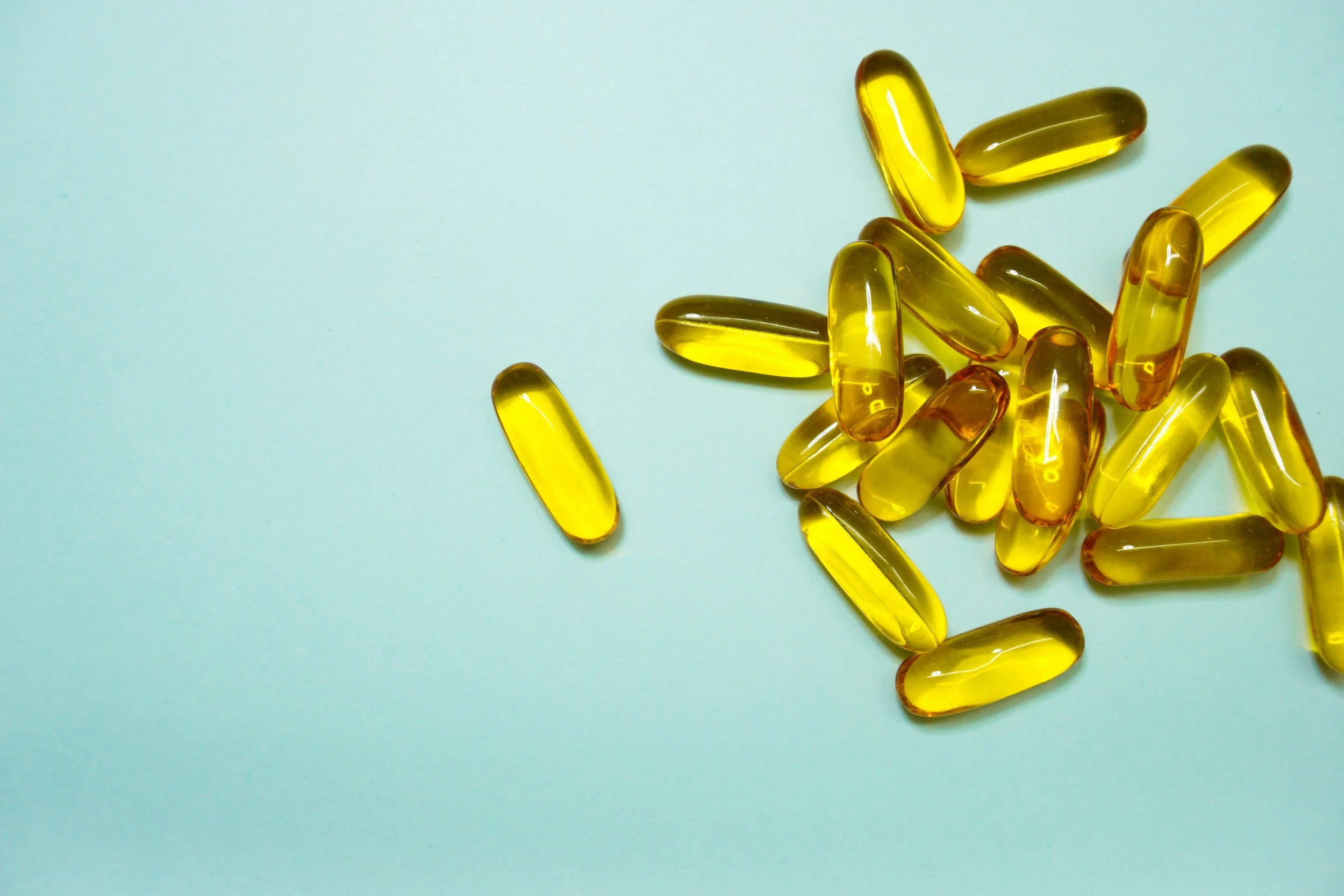
Should You Take Vitamin D with Vitamin K2?
Should you take vitamin D with K2? Learn the science, benefits, and current evidence behind combining these supplements for bone and heart health.

GLP-1 Medications: What They Are, How They Work, and What to Know Before Starting
GLP-1 medications like Ozempic and Wegovy can improve weight, blood sugar, and heart health—but they come with risks. Here’s what you need to know.

Understanding VOCs: Hidden Chemicals in Your Environment That Affect Your Health
VOCs are hidden chemicals in everyday products that can impact your lungs, brain, and long-term health. Learn where they come from and how to reduce your exposure.