


Mindfulness and Longevity: Can a Few Minutes of Being Present Really Improve Your Health?
Mindfulness is a simple, evidence-based tool for managing stress and supporting mental health as part of a whole-person approach to longevity. Research consistently shows that mindfulness-based interventions can produce small-to-moderate improvements in anxiety, depression, and perceived stress, with possible additional benefits for sleep, blood pressure, stress physiology, and inflammation. The strongest evidence is for psychological well-being, while cardiovascular and immune effects are promising but less certain. Mindfulness should not replace therapies such as CBT, medication, or appropriate medical care, but it can be a useful adjunct—and it can also be practiced proactively, before stress becomes overwhelming. Even a few minutes of focused breathing, mindful walking, or present-moment awareness each day can help build better emotional regulation and resilience.
NADH Supplements: Do They Actually Improve Energy, Fatigue, and NAD+ Levels?
NADH is the reduced form of NAD+ and plays a direct role in mitochondrial energy production by carrying electrons into the electron transport chain to help generate ATP. Small human studies suggest NADH may help reduce fatigue, particularly in chronic fatigue syndrome, although several of the more positive trials combined it with CoQ10, making it difficult to isolate NADH’s individual effect. Unlike NMN or nicotinamide riboside, which are used to raise NAD+ levels, NADH directly participates in the cellular redox cycle. It appears generally well tolerated, but long-term data are limited, and more is not necessarily better because excess NADH may disrupt the NAD+/NADH balance. For now, I view NADH as a targeted supplement for selected fatigue-related conditions rather than a routine daily longevity supplement.
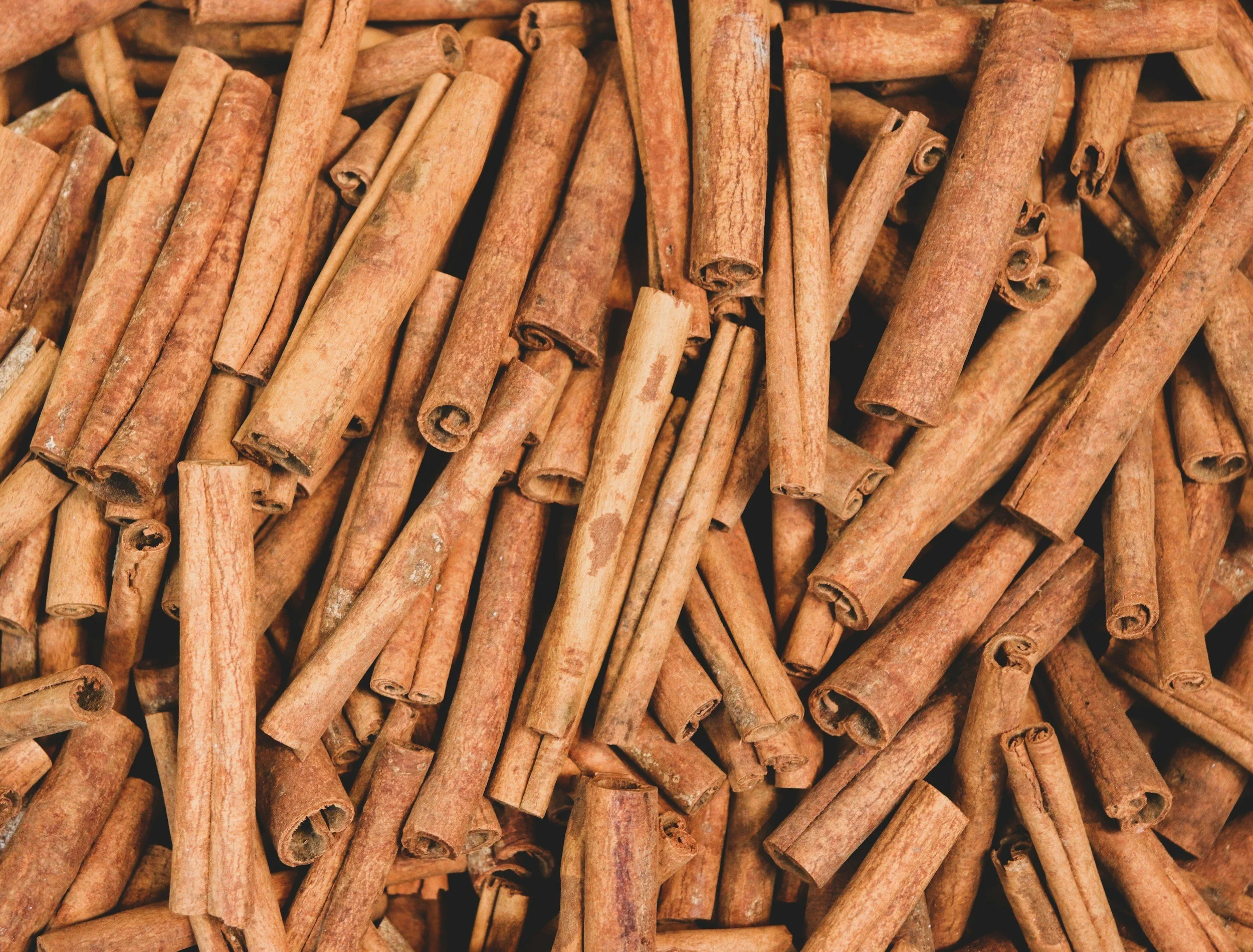
Cinnamon: Does it actually work?
Cinnamon supplementation may provide modest metabolic benefits, particularly for people with prediabetes, type 2 diabetes, or insulin resistance. The strongest evidence suggests small improvements in fasting glucose, post-meal glucose, HbA1c, and insulin sensitivity, with possible additional reductions in triglycerides and LDL cholesterol. However, the effects are generally modest and should be viewed as an adjunct to nutrition, exercise, weight management, and evidence-based medications—not a replacement for them. For regular use, I prefer Ceylon cinnamon over cassia because it contains much less coumarin, a compound that can raise liver-safety concerns with prolonged high-dose intake. For most healthy people, simply using cinnamon regularly in whole foods is likely enough.

Cystatin C and Kidney Function: When Creatinine-Based eGFR Can Be Misleading
Creatinine-based eGFR is useful for most patients, but it can be misleading when creatinine production is altered by muscle mass, diet, medications, or creatine monohydrate supplementation. In healthy people taking creatine, a modest rise in serum creatinine does not necessarily mean kidney damage. When the creatinine-based eGFR no longer fits the clinical picture, cystatin C can provide an additional estimate of kidney filtration because it is much less influenced by muscle mass or creatine intake. For patients taking creatine, athletes with high muscle mass, people with significant muscle loss, or anyone near an important medication-dosing threshold, a combined creatinine-cystatin C eGFR may provide a more accurate assessment. The goal is not to order more tests routinely, but to use the right marker when creatinine may be misleading.

Chlorophyll: Worth Adding?
Chlorophyll is the natural green pigment found in plants, while many “liquid chlorophyll” supplements actually contain chlorophyllin, a more water-soluble derivative. Chlorophyllin has a few legitimate uses, including an OTC role as an internal deodorant and some interesting research showing it can reduce absorption of certain dietary carcinogens such as aflatoxin in high-risk populations. However, evidence for routine chlorophyll supplementation for detoxification, weight loss, anti-aging, or general disease prevention remains limited. For most people, I would skip another daily supplement and get chlorophyll the simpler way: from leafy greens, broccoli, herbs, and other whole plant foods that also provide fiber, vitamins, minerals, and polyphenols.
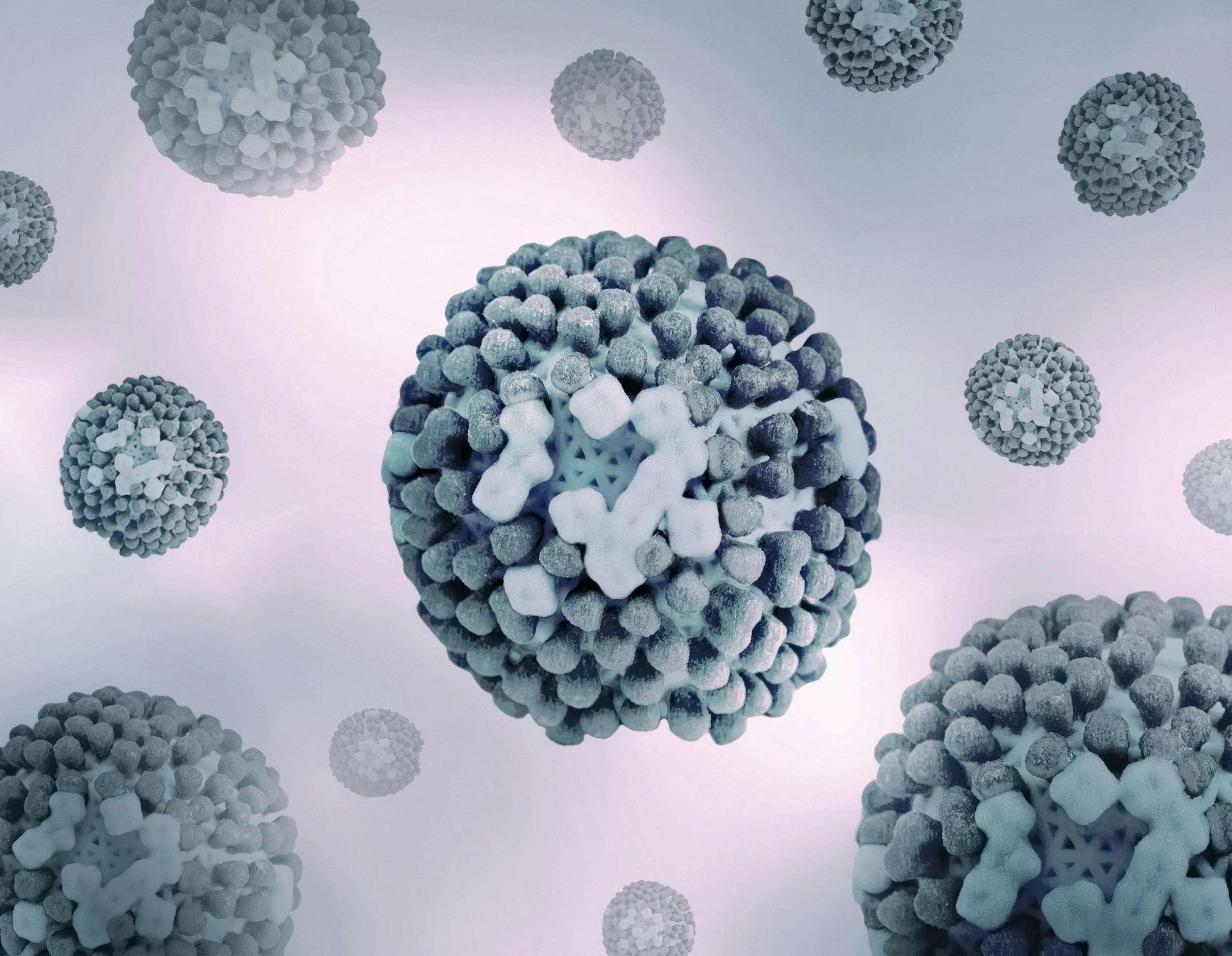
Exosomes Explained
Exosomes are tiny packages released by cells that carry proteins, lipids, RNA, and other biological signals to other cells. Researchers are studying them for targeted drug delivery, cancer treatment, gene therapy, regenerative medicine, and disease detection because of their ability to transport biological cargo between cells and, in some cases, across difficult biological barriers. The science is promising, but clinical use is still early. As of 2026, there are no FDA-approved exosome therapies for treating disease in the United States, and commercially marketed regenerative or cosmetic exosome products should not be confused with proven medical treatments. For now, exosomes are best viewed as an emerging technology with significant future potential rather than an established longevity therapy.

Retatrutide: The Next Major Weight Loss Option?
Retatrutide is an investigational once-weekly “triple agonist” that targets GLP-1, GIP, and glucagon receptors. Early and Phase 3 trial results suggest it may produce substantially greater average weight loss than current incretin medications, with reductions approaching 30% in some populations. It may also improve diabetes control, sleep apnea, knee osteoarthritis symptoms, and liver fat, but it is not yet FDA-approved and long-term cardiovascular, renal, and mortality outcomes are still being studied. If approved, retatrutide could become a major new obesity treatment, but preserving muscle, maintaining adequate nutrition, and combining medication with resistance training, sleep, and sustainable lifestyle change will remain essential.

Avoiding Environmental Toxins: A Practical Longevity Approach
Environmental toxin reduction is not about living in fear or trying to avoid everything. Modern life includes daily exposure to plastics, VOCs, air pollution, mold, pesticides, fragrances, food packaging, and household chemicals. The goal is to reduce the exposures that happen repeatedly over time: indoor air pollution, poor ventilation, carbon monoxide risk, plastic with heat, fragranced laundry products, mold, gas stove emissions, canned food linings, synthetic materials, and high-VOC furniture or flooring. Simple changes such as using air purifiers, improving HVAC filtration, choosing glass or stainless steel, avoiding microwaving plastic, using fragrance-free products, fixing moisture problems early, and ventilating while cooking can meaningfully lower unnecessary exposure. In longevity medicine, the goal is not perfection — it is creating a cleaner baseline that supports long-term health.

Matcha Green Tea: Healthier Than Coffee?
Matcha is a concentrated form of green tea made from finely ground tea leaves, providing catechins such as EGCG, L-theanine, caffeine, and other plant compounds. Compared with filtered drip coffee, matcha usually contains less caffeine and may feel smoother or less jittery for some people, partly due to its L-theanine content. It may support antioxidant intake, focus, mood, and metabolic health, but the evidence is still based mostly on small human studies, mechanistic data, and broader green tea research rather than definitive longevity trials. The healthiest version is simple and unsweetened — not a sugary matcha latte. For most patients, plain matcha can fit into a longevity-focused lifestyle, but it should not worsen sleep, anxiety, palpitations, reflux, iron deficiency, or medication safety.

Mitoquinol: Can MitoQ Support Mitochondrial Health?
Mitoquinol, commonly known as MitoQ, is a mitochondria-targeted antioxidant designed to accumulate inside mitochondria and reduce mitochondrial oxidative stress. Preclinical studies suggest possible lifespan and healthspan benefits in lower organisms and disease-model animals, while early human studies show potential improvements in vascular endothelial function and selected oxidative-stress biomarkers. However, there is currently no direct evidence that MitoQ extends lifespan in humans or prevents major age-related diseases. For now, I view MitoQ as a promising but unproven mitochondrial-health supplement that may have a role in selected patients, but it should not replace the foundations of longevity medicine: exercise, nutrition, sleep, metabolic health, cardiovascular risk reduction, and personalized preventive care.

Avoiding Premature Skin Aging: A Longevity Approach to Healthier Skin
Premature skin aging is not just a cosmetic issue — it reflects years of sun exposure, smoking, pollution, nutrition, sleep, stress, inflammation, and metabolic health. The strongest evidence supports daily broad-spectrum photoprotection, avoiding tobacco, minimizing unnecessary UV exposure, eating a nutrient-dense low-glycemic diet, sleeping well, managing stress, and staying physically active. Topical retinoids have the strongest evidence among skin-aging treatments, while hydrolyzed collagen peptides may modestly improve hydration, elasticity, and wrinkles. Supplements can help at the margins, but they do not replace the fundamentals of skin longevity.

PQQ: Can a Pill Match a Whole-Food Plant-Based Diet?
PQQ is a vitamin-like compound found in small amounts in foods such as kiwi, parsley, cocoa, green peppers, and fermented soy. Its longevity interest comes from its potential role in mitochondrial biogenesis, antioxidant defense, inflammation regulation, and cellular stress resistance. While preclinical studies in worms and mice are promising, human evidence remains limited to small, short-term studies focused mostly on biomarkers rather than meaningful clinical outcomes. There is currently no evidence that PQQ supplementation extends human lifespan or prevents major age-related disease. For now, I view PQQ as a reasonable optional mitochondrial-health supplement for selected patients, but not a substitute for a diverse whole-food plant-based diet, exercise, sleep, and the foundations of lifestyle medicine.

Fermented Foods and Longevity
Fermented foods such as yogurt, kefir, kimchi, sauerkraut, miso, tempeh, and natto can be a valuable part of a longevity-focused diet. While they have not been proven to directly extend lifespan, they may support gut microbiome diversity, cardiometabolic health, glucose regulation, blood pressure, lipids, and inflammation in some people. The strongest evidence suggests fermented foods are best viewed as a supportive dietary habit rather than a stand-alone longevity treatment. I recommend including them regularly if they are well tolerated, while paying attention to added sugar, sodium content, histamine sensitivity, and overall diet quality.
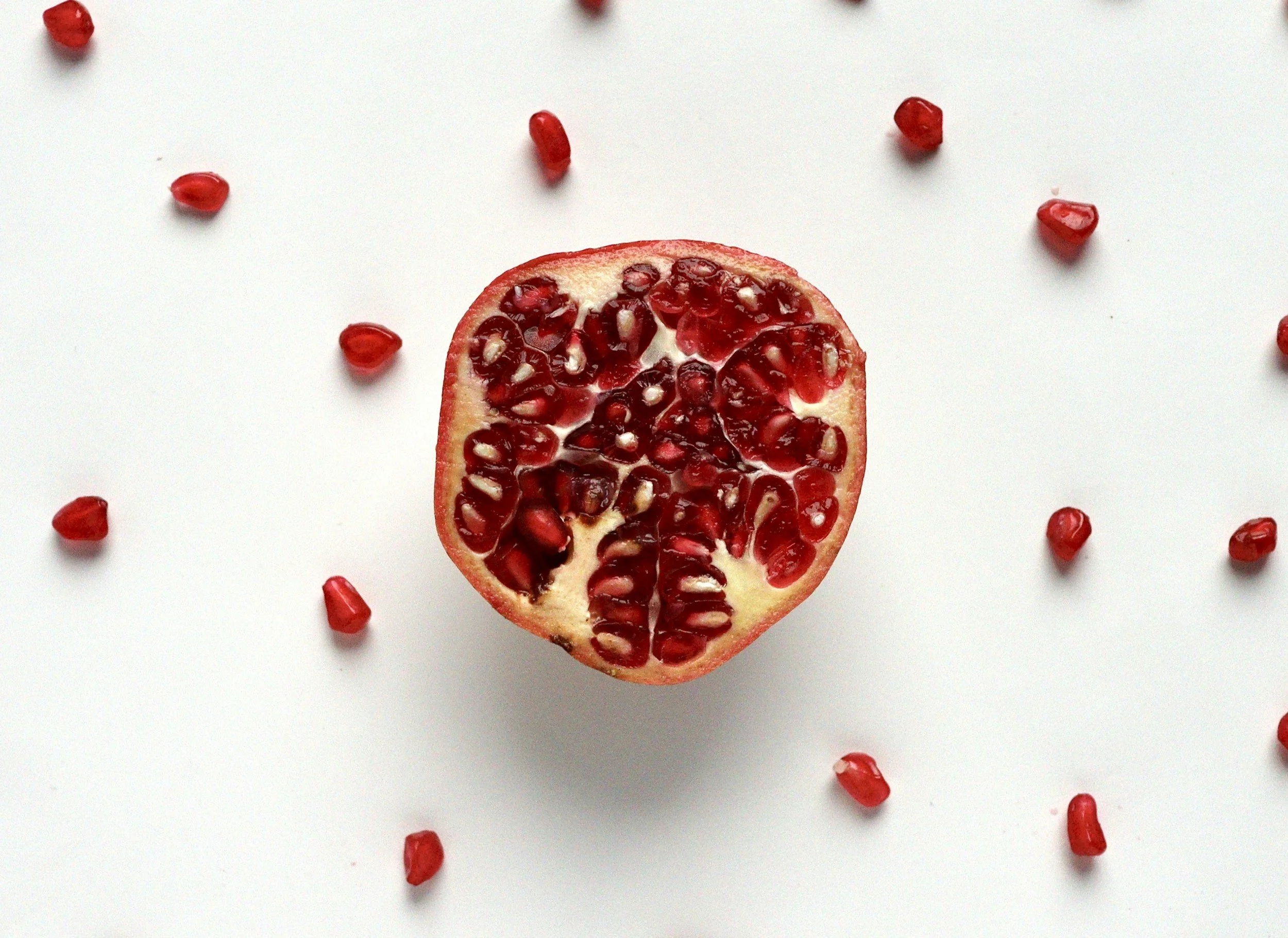
Urolithin A and Longevity
Urolithin A is a gut microbiome-derived compound produced from polyphenols found in foods such as pomegranate, berries, and nuts. Its longevity interest comes from its potential ability to stimulate mitophagy, the process of clearing damaged mitochondria. Early research suggests urolithin A may support mitochondrial health, muscle endurance, and certain inflammatory markers, but human studies remain short and limited. There is currently no evidence that urolithin A extends lifespan or prevents major age-related diseases in humans. For now, I view it as a promising mitochondrial-health supplement that may have a role in selected patients as part of a broader lifestyle and longevity protocol — not as a proven anti-aging therapy.
The Galleri Test: What you should know
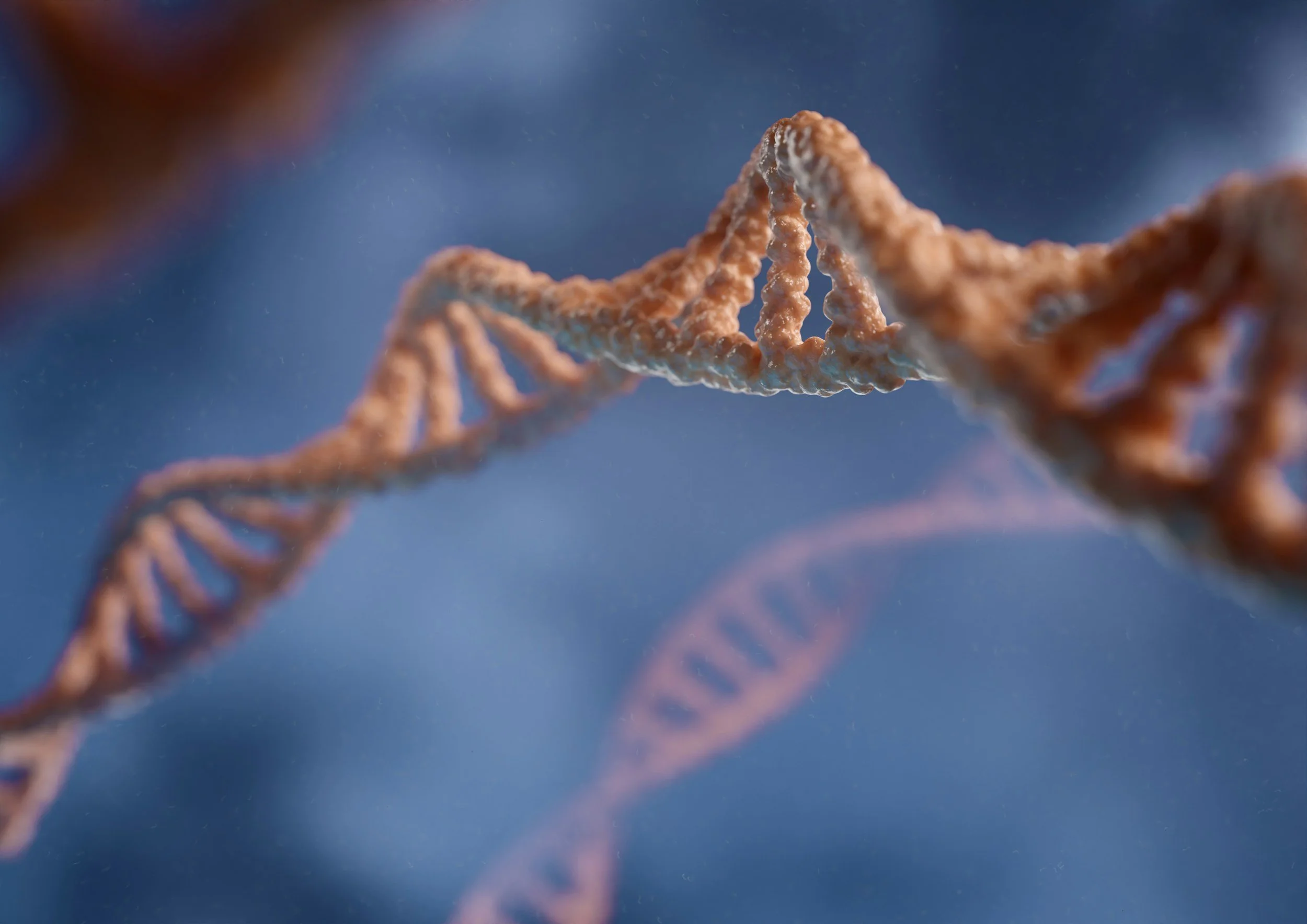
The Galleri test is a blood-based multi-cancer early detection test that analyzes cell-free DNA methylation patterns to look for a cancer signal across more than 50 cancer types. It is one of the more promising developments in cancer screening, especially for cancers that do not currently have standard screening tests. However, Galleri is not FDA-approved, has limited sensitivity for early-stage disease, can miss cancer, can lead to false positives and additional workups, and has not yet been proven to reduce cancer mortality in the general population. For now, I view it as an optional tool for selected patients in highly personalized preventive care — not a routine screening test for everyone — and it should complement, not replace, proven cancer screening.

Caffeine and Glucose Tolerance: Helpful or Not?
Caffeine and coffee can have different effects on glucose metabolism. Caffeine by itself may acutely reduce insulin sensitivity and temporarily raise glucose in some people, especially around meals, stress, poor sleep, or morning cortisol. However, habitual unsweetened coffee consumption is consistently associated with lower risk of impaired glucose tolerance and type 2 diabetes, including in studies of both caffeinated and decaffeinated coffee. For most people with prediabetes, moderate coffee can fit into a healthy lifestyle, but it should not worsen sleep, anxiety, reflux, blood pressure, or glucose control — and it should not be turned into a sugary drink.
Viagra and Cancer Risk
PDE5 inhibitors such as sildenafil, tadalafil, and vardenafil are established medications used for erectile dysfunction and certain vascular conditions. Emerging observational and preclinical research suggests they may be associated with lower colorectal cancer risk and possibly improved colorectal cancer outcomes, but this evidence remains hypothesis-generating rather than practice-changing. No randomized trial has proven that these medications prevent or treat cancer, and concerns such as confounding, healthy-user bias, and a possible melanoma signal mean they should not be used for cancer prevention outside of appropriate medical indications or clinical trials.
Vitamin C: Whats the Verdict?
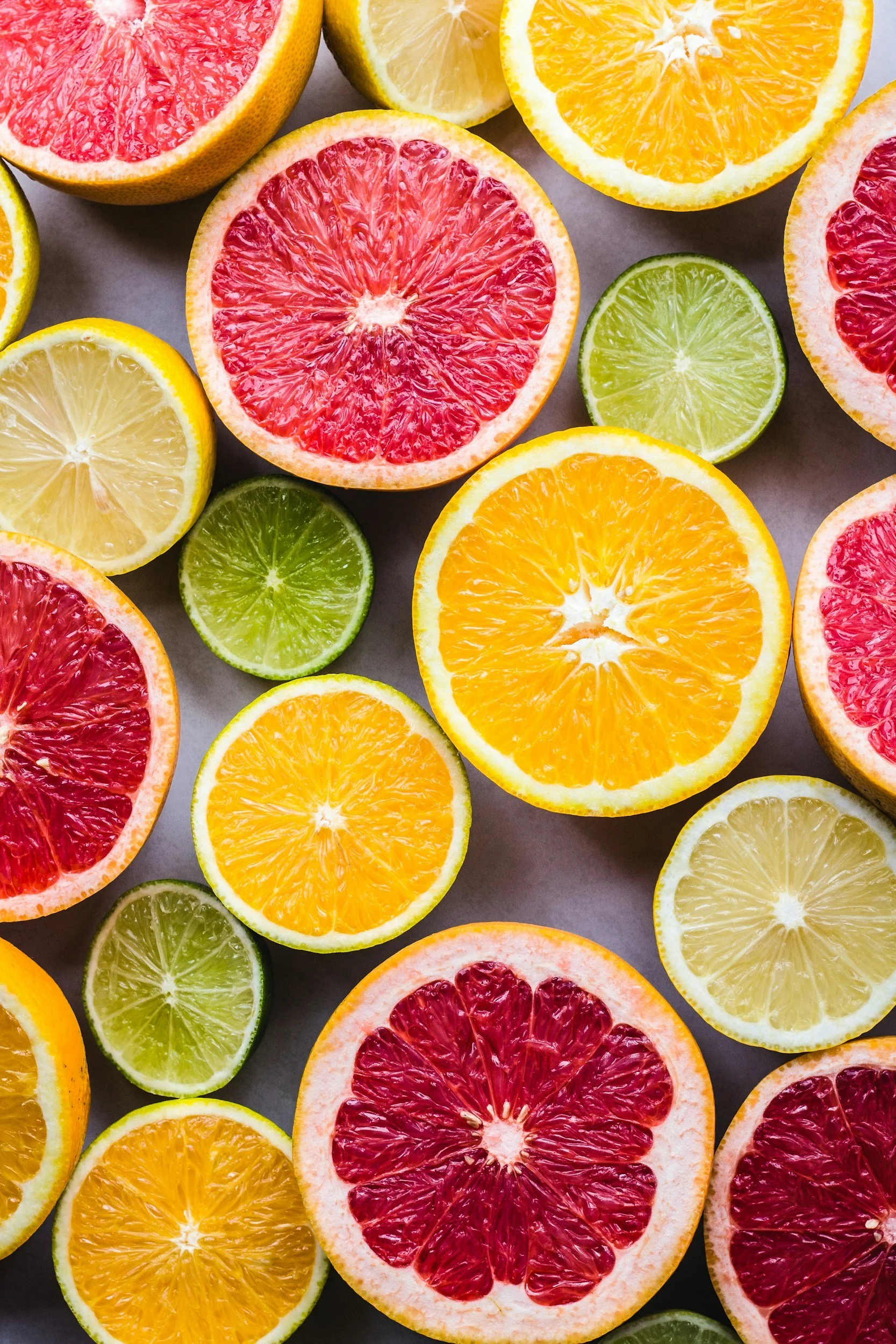
Vitamin C is essential for collagen production, immune function, antioxidant defense, wound healing, and blood vessel health. While supplementation may modestly shorten common cold duration and slightly lower blood pressure, it is not proven to extend lifespan or replace the benefits of a plant-rich diet. For most healthy adults, vitamin C is best obtained from whole foods like citrus, berries, kiwi, bell peppers, broccoli, and leafy greens, which provide fiber, polyphenols, potassium, and other protective compounds beyond vitamin C alone.

Coffee and Longevity: Healthy Habit or Too Much Caffeine?
Coffee is consistently associated with longevity benefits in observational studies, with moderate intake around 3 cups per day appearing reasonable for many adults. It may support cardiovascular, metabolic, liver, and brain health, but caffeine sensitivity, sleep disruption, anxiety, reflux, and cholesterol effects from large amounts of unfiltered coffee are important limitations. The healthiest approach is to drink coffee mostly black, avoid sugary additions, choose filtered coffee when cholesterol is a concern, and use it to support—not replace—a healthy lifestyle.
Quercetin: Should You Supplement or Just Eat More Plants?
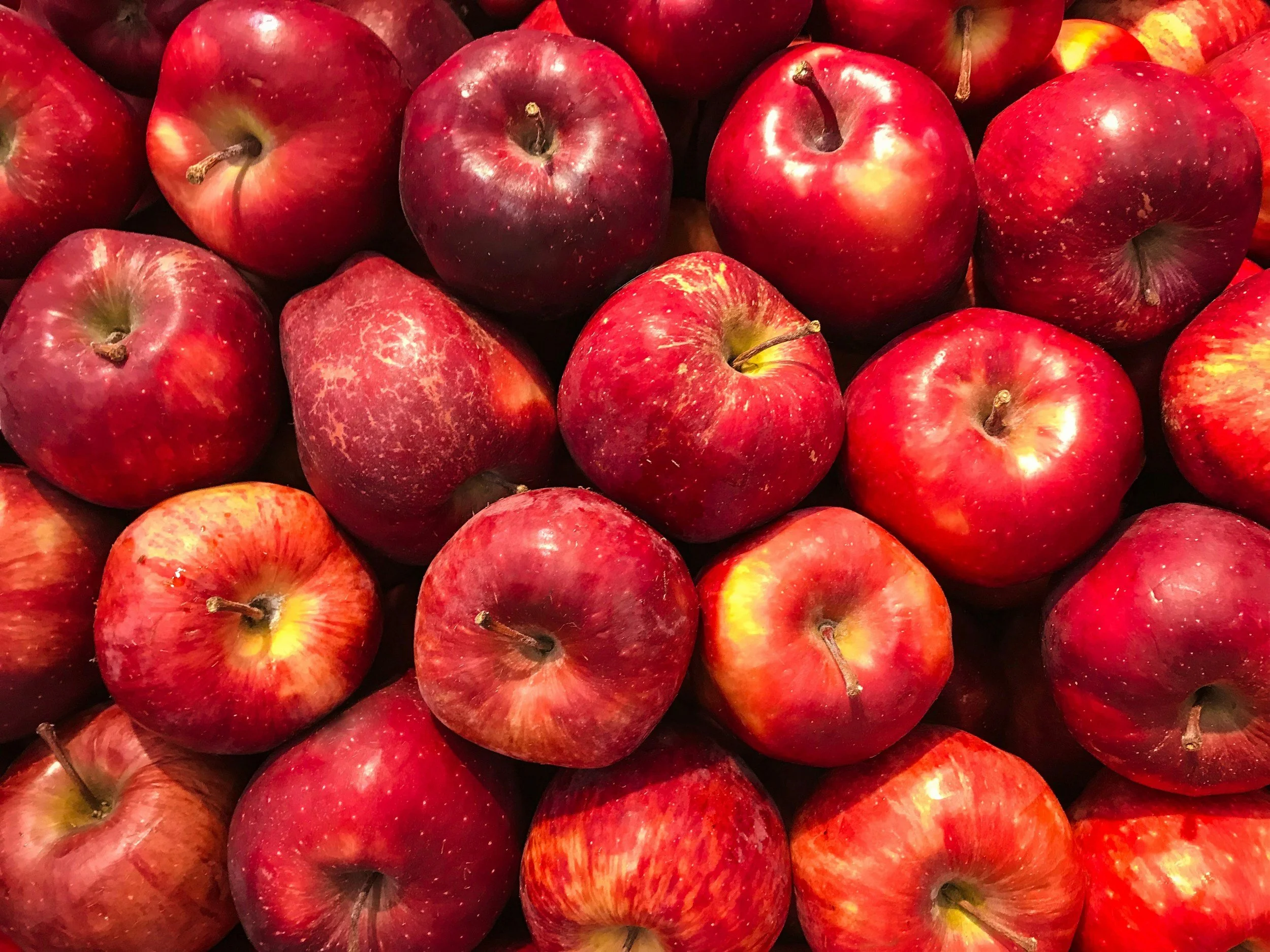
Quercetin is a flavonoid found in plant foods such as onions, apples, berries, tea, herbs, and leafy greens. Supplement studies suggest modest benefits for blood pressure, inflammation, and some lipid markers, but the evidence remains limited by small trials, short duration, poor bioavailability, and inconsistent results. For most people, the better strategy is not isolated quercetin supplementation, but eating more whole plant foods that naturally contain quercetin along with fiber and many other protective compounds.